
Roofing Services in Everett and Surrounding Areas
Email : rosasroofingwa@gmail.com
Roofing Services in Everett and Surrounding Areas
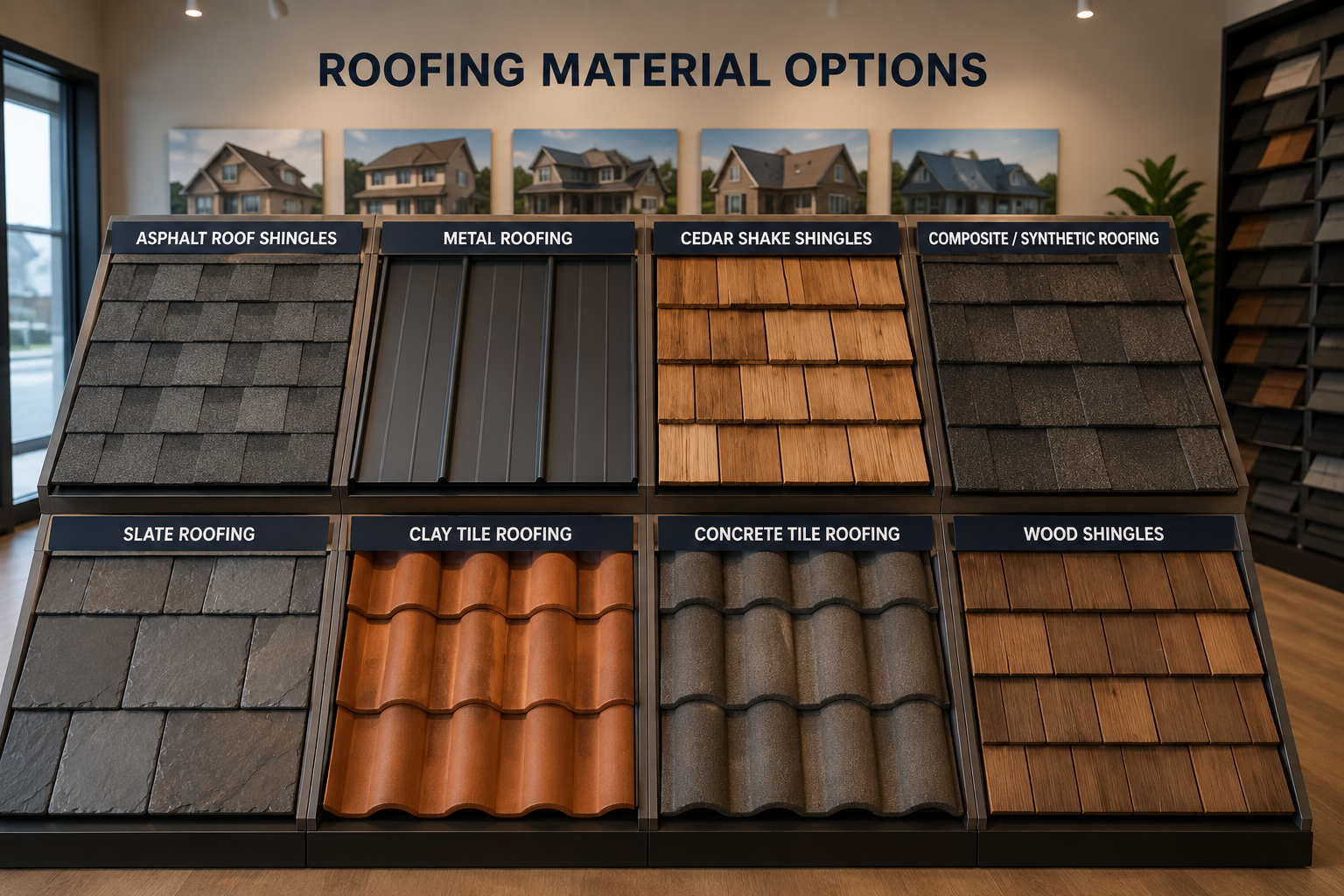
Choosing the right roofing material is one of the most important decisions a homeowner can make. Your roof affects your home’s appearance, energy efficiency, weather protection, maintenance needs, and long-term value. A trusted Roofing Contractor can help you compare your options and select a material that fits your home, budget, and the rainy climate of the Pacific Northwest.
Homeowners in Everett, WA need roofing materials that can withstand frequent rain, moisture, wind, moss growth, and changing temperatures. While many materials can provide reliable protection, each option has different benefits, costs, and maintenance requirements.
Asphalt Roof Shingles are among the most popular residential roofing materials in the United States. They are widely available, relatively affordable, and offered in many colors and styles.
The two most common types are three-tab shingles and architectural shingles. Three-tab shingles have a flatter and more uniform appearance. Architectural shingles are thicker and layered, giving the roof more dimension and texture.
Some benefits of asphalt shingles include:
Asphalt shingles are a practical option for many homeowners, but proper installation is essential. Underlayment, flashing, ventilation, starter shingles, and ridge caps must all be installed correctly to create a complete roofing system.
A professional Roofing Contractor can inspect the roof structure and recommend a shingle product that matches the home’s slope, exposure, and ventilation needs.
Metal Roofing has become increasingly popular with homeowners who want durability, low maintenance, and a clean appearance. Residential metal roofing is available in standing-seam panels, metal shingles, and metal tiles.
Steel is one of the most common choices because it is strong, relatively lightweight, and able to handle harsh weather conditions. Protective coatings also help reduce corrosion while providing different color and finish options.
Benefits of metal roofing may include:
Metal roofing generally has a higher initial cost than asphalt shingles. However, homeowners may save money over time because metal roofs often require fewer repairs and replacements.
Metal panels expand and contract as temperatures change. For this reason, the system should be installed by a Roofing Company with experience in metal fastening, flashing, ventilation, and panel spacing.
Cedar Shake Shingles offer a natural, warm appearance that fits well with Craftsman, cottage, cabin, and Pacific Northwest-style homes. Cedar roofing can add texture and architectural character that manufactured products may not fully replicate.
Cedar shingles are typically smooth and uniform, while cedar shakes are often thicker and more rustic. Both options can develop a distinctive appearance as they age.
Homeowners may choose cedar roofing because it provides:
Cedar roofing generally requires more maintenance than asphalt or metal. Leaves, branches, moss, and other debris should be removed regularly. Homeowners should also ask their Roofing Contractor about preservative treatments, fire ratings, ventilation requirements, and manufacturer warranties.
Composite roofing materials are designed to resemble natural slate, cedar shakes, or traditional shingles. These products may be made from recycled materials, polymers, rubber, or other engineered components.
Depending on the manufacturer, composite roofing may offer resistance to moisture, insects, fading, impact, and biological growth. Some synthetic products are also lighter than natural slate or tile, making them easier to install on homes that cannot support heavy roofing materials.
Product quality can vary between manufacturers. A dependable Roofing Business should help homeowners compare warranties, testing information, expected lifespan, and replacement availability before selecting a product.
Natural slate, clay tile, and concrete tile can provide a premium appearance and excellent durability. These materials are often used on Mediterranean, Spanish, historic, and custom homes.
However, slate and tile are much heavier than asphalt shingles. Some homes may require additional structural support before installation.
These materials also require specialized installation and repair experience. Homeowners should confirm that the Roofing Companies they are considering have worked with the specific slate or tile product being installed.
There is no single roofing material that is best for every home. The right choice depends on several factors, including:
A trustworthy Roofing Contractor should explain the advantages and disadvantages of each material without automatically recommending the most expensive option.
The contractor should also inspect the roof decking, attic ventilation, flashing, valleys, drainage system, and roof penetrations before recommending a complete roofing system.
Even a premium roofing material can fail early when it is installed incorrectly. A roof is made up of several components that work together to protect the home.
A qualified Roofing Company should properly address:
When comparing roofing estimates, homeowners should review the complete scope of work instead of choosing based only on the lowest price. Ask which materials will be used, how damaged decking will be handled, what warranties are included, and how the property will be protected during construction.
Asphalt roof shingles are generally among the most affordable residential roofing options. The final cost will depend on the size, slope, complexity, and condition of the roof.
Metal roofing may offer a longer lifespan and lower maintenance, while asphalt shingles usually have a lower upfront cost. The better option depends on your budget, home style, and long-term plans.
Cedar shake shingles can perform well in rainy climates when they are installed with proper ventilation and drainage. Regular cleaning and maintenance are especially important in wooded or shaded areas.
Metal roofing and some composite products often require less maintenance than cedar shakes. However, every roofing system should still be inspected regularly for debris, loose materials, damaged flashing, and drainage issues.
The lifespan of asphalt shingles depends on the product quality, installation, ventilation, weather exposure, and maintenance. Architectural shingles generally last longer than basic three-tab shingles.
Look for a contractor with local experience, proper licensing and insurance, detailed written estimates, clear communication, quality warranties, and experience installing your preferred roofing material.
Asphalt shingles, metal roofing, cedar shakes, and certain composite products can all work well in the Pacific Northwest. The best choice depends on the home’s location, roof design, surrounding trees, maintenance needs, and budget.
Rosas Roofing helps homeowners choose roofing materials that fit their property, budget, and long-term goals. Whether you need a roof inspection, repair, replacement, or new installation, the team can guide you through every stage of the project. Schedule an appointment today to discuss your roofing needs.


Leave a comment